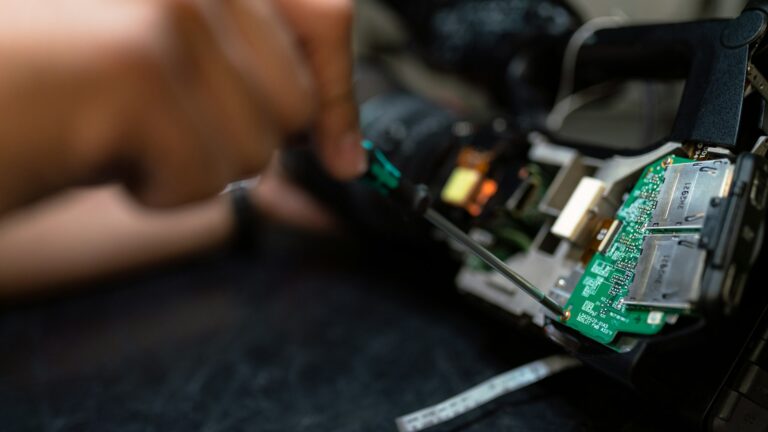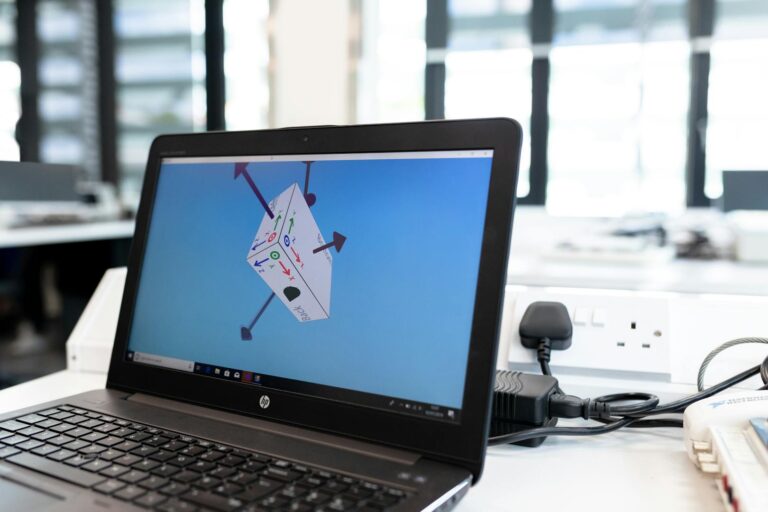
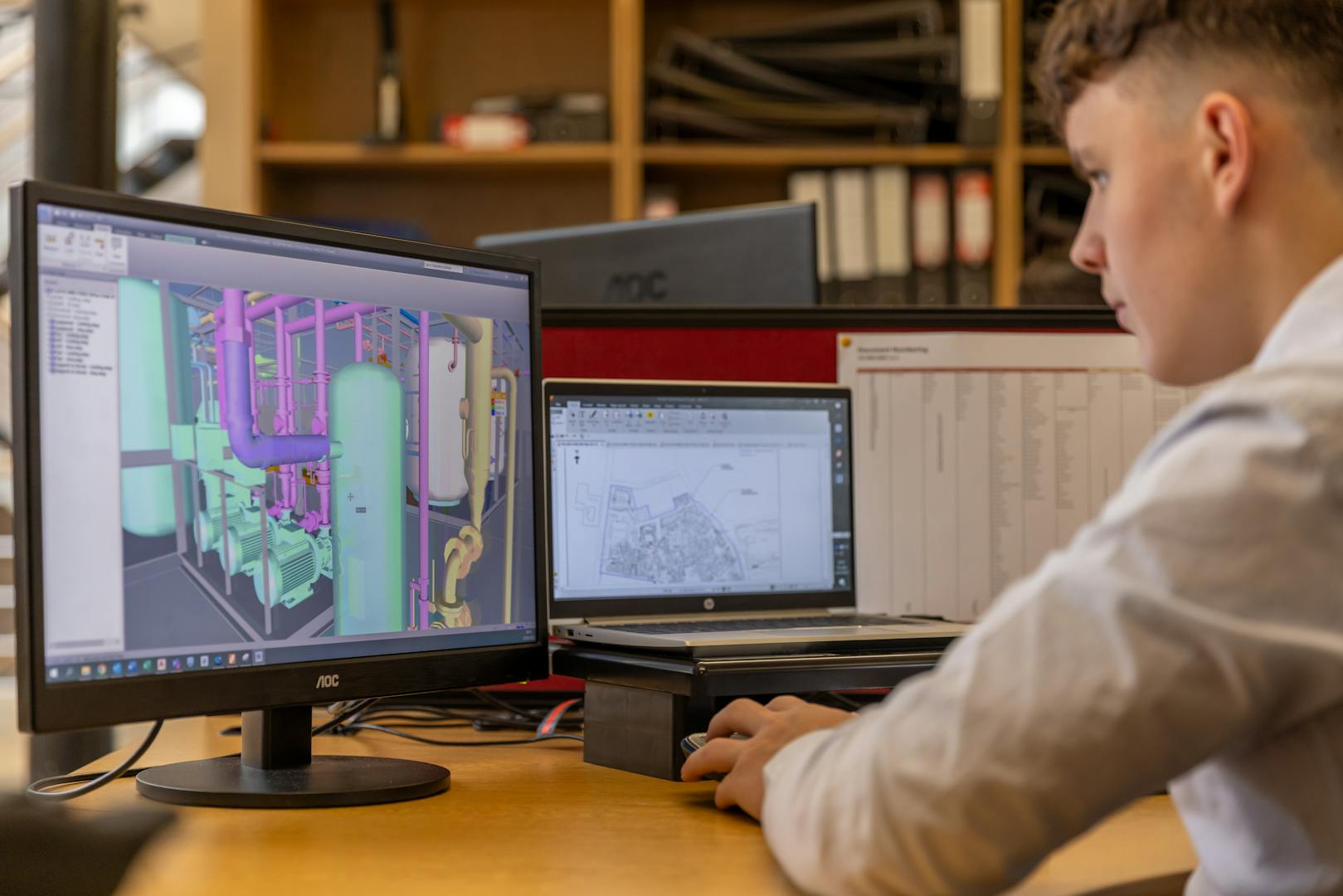
Launching a physical product on Amazon FBA without proper product design for amazon fba is like listing a hand-drawn sketch and expecting five-star reviews. The marketplace rewards products that photograph beautifully, ship without damage in standard packaging dimensions, and survive customer handling without returns that destroy your profit margin. Professional CAD design, photorealistic 3D renders, and print-ready prototype files are the engineering foundation that separates profitable FBA brands from one-listing failures that bleed money on returns and negative reviews.
Why Product Design for Amazon FBA Requires Specialized Expertise
Amazon FBA imposes constraints that traditional product design does not encounter. Your product must fit within standard FBA packaging tiers to avoid oversized fulfillment fees that erode margins on every unit sold. The packaging must survive Amazon’s warehouse handling — conveyor belts, stacking, drops from sorting chutes — without damaging the product inside. Your listing images need photorealistic 3D renders on pure white backgrounds that meet Amazon’s image requirements and outperform competitor photography in click-through rate. And your product’s physical design must minimize return rates by ensuring the unboxing experience matches or exceeds what the listing images promise.
These requirements mean your amazon fba cad design must consider packaging dimensions from the earliest concept stage — not as an afterthought bolted on after the product geometry is finalized. A product that is 1 cm too wide for standard-size Amazon FBA classification costs an additional $3 to $8 per unit in oversized fulfillment fees. Over a 5,000-unit production run, that single centimeter costs $15,000 to $40,000 in unnecessary fees. Professional product design catches these dimensional landmines during the CAD phase when fixing them costs nothing — not during the first warehouse shipment when fixing them requires new tooling.
From CAD Model to Amazon Listing — The Complete Workflow
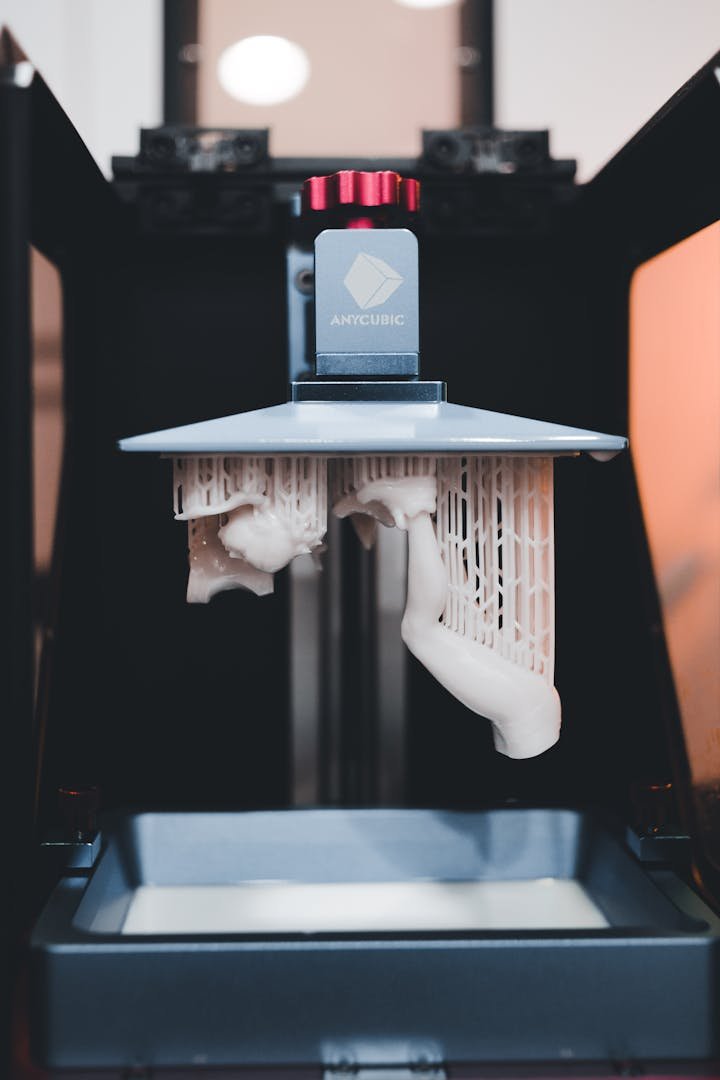
The professional workflow for amazon product modeling follows five stages. First, concept validation — sketching the product, defining key dimensions, and verifying that the concept fits within your target FBA packaging tier and manufacturing budget. Second, SolidWorks CAD modeling — building a fully parametric 3D model optimized for your chosen manufacturing process (injection molding, 3D printing, CNC machining, or silicone casting). Third, prototype fabrication — 3D printing a physical sample for fit testing, ergonomic validation, and photography comparison against the CAD renders.
Fourth, photorealistic rendering — creating the hero image, lifestyle shots, and infographic visuals that will appear on your Amazon listing. SolidWorks Visualize or KeyShot produces renders that are indistinguishable from professional product photography at a fraction of the cost and without requiring a physical production sample to exist yet — a transformative advantage for pre-launch validation and early demand testing before fully committing significant manufacturing capital. Fifth, production file preparation — exporting STEP files for your manufacturer, creating dimensioned drawings with tolerances for quality control, and documenting material specifications, surface finish requirements, and color codes using Pantone or RAL references.
Packaging Design for FBA Compliance
Amazon categorizes products into standard-size and oversized tiers based on unit dimensions and weight. The boundary between small standard-size and large standard-size — and especially the boundary between large standard-size and small oversize — determines your fulfillment fee per unit. During the fba product development phase, we model the product and its packaging together as a single SolidWorks assembly, verifying that the packaged unit dimensions fall safely within your target tier with at least 5 mm margin on each axis to account for manufacturing variation and packaging material thickness.
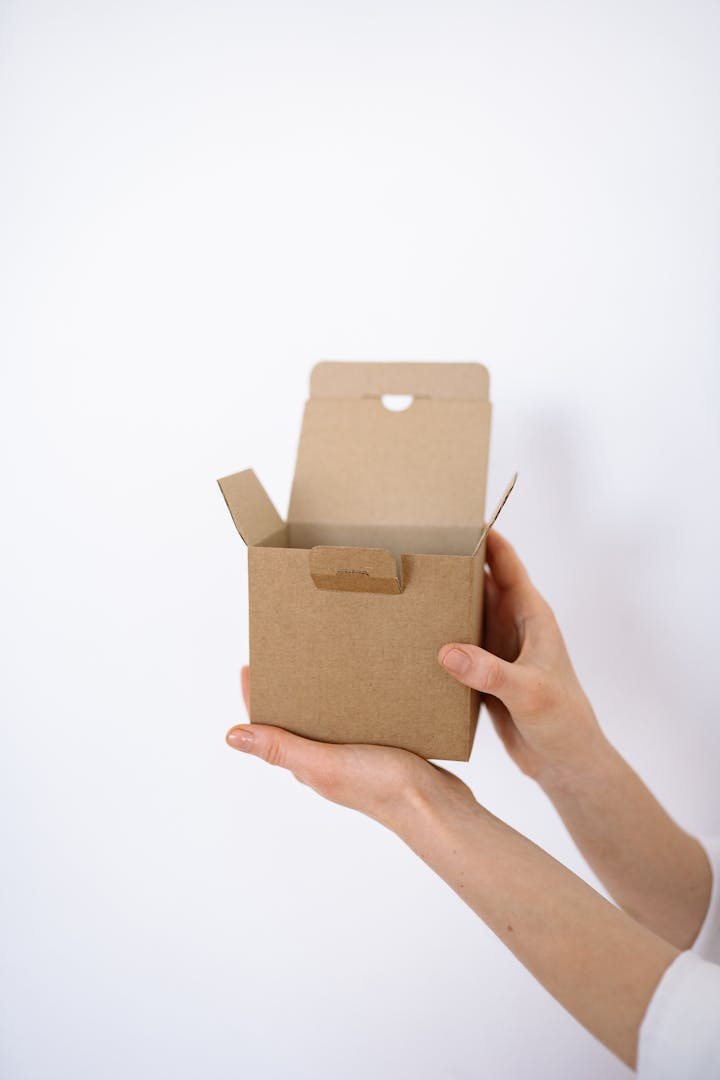
Packaging insert design is equally important for products that are fragile or have a premium positioning. Custom foam inserts, molded pulp trays, and corrugated dividers all need CAD models that match the product geometry precisely. We deliver these as separate SLDPRT files alongside the product model so you can send the complete package to your fulfillment prep supplier or packaging manufacturer with a single file transfer. The Jungle Scout seller blog provides excellent data on how packaging quality affects Amazon review ratings and return rates across product categories.
3D Renders That Outperform Product Photography
Photorealistic 3D renders offer three decisive advantages over traditional product photography for Amazon FBA listings. First, renders can be produced before a physical product exists — you can validate market demand with a pre-launch listing using renders, collect email signups, and even run test PPC campaigns before committing to a production order. Second, renders guarantee perfectly consistent lighting, color accuracy, and background compliance across every image in the listing — eliminating the shot-to-shot variation that makes amateur product photography look unprofessional.
Third, renders enable product variations (colors, sizes, finishes) to be visualized from a single CAD model without photographing separate physical samples for each SKU. For a product sold in five colors, traditional photography requires five physical samples, a studio session for each, and post-processing for each image set. Rendering requires one CAD model with five material presets — a 90 percent reduction in visual content production cost that scales linearly with SKU variant count. For a product line with 12 color options across 3 sizes — 36 total SKUs — the savings compared to individual product photography sessions are substantial enough to fund the entire CAD modeling and rendering project budget with money left over for PPC advertising launch spend. Our ecommerce product cad workflow includes listing-ready renders as a standard output for clients who request them alongside the engineering deliverables.
Prototype Testing Before Manufacturing Commitment
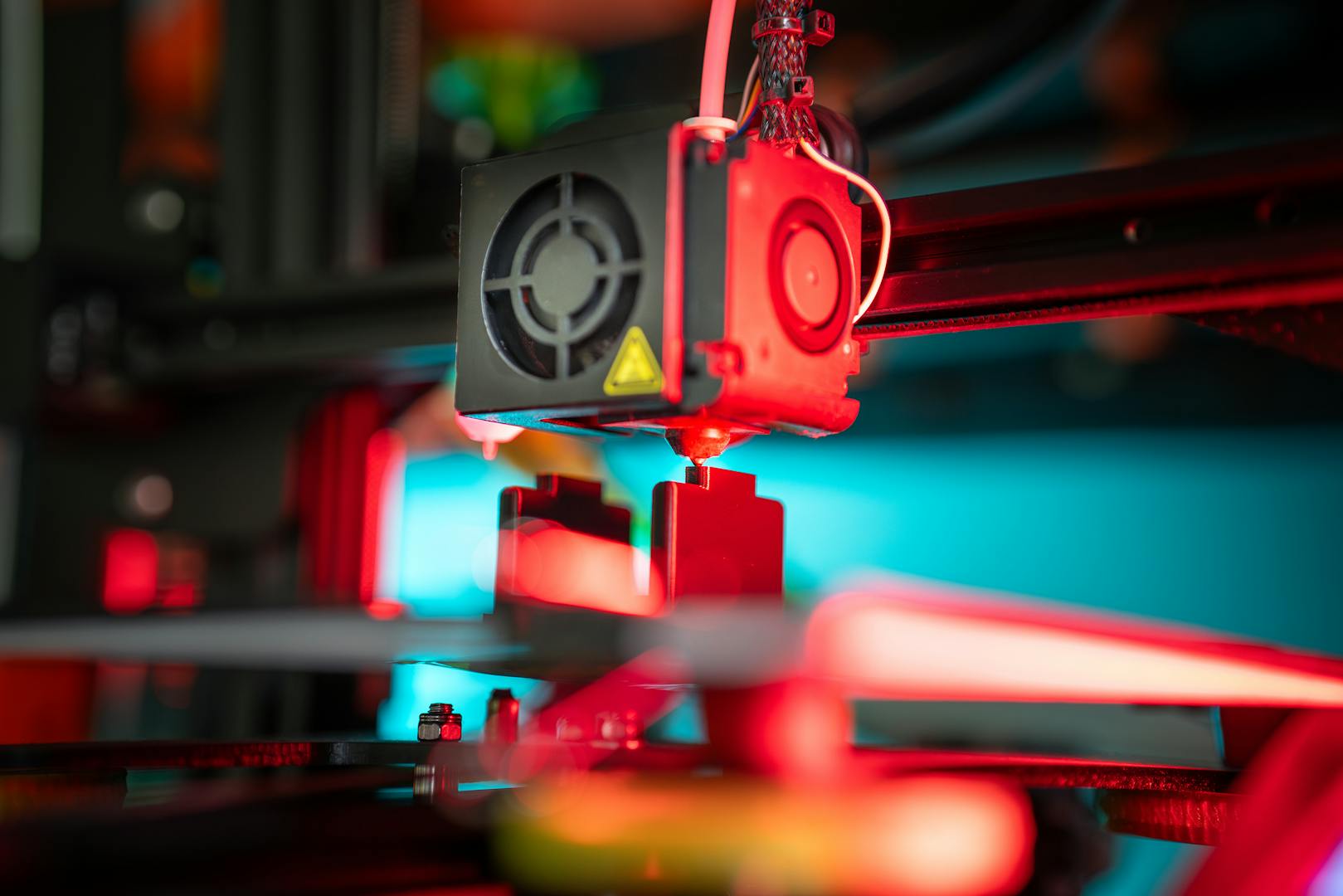
Never commit to production tooling based solely on a CAD model, regardless of how confident the design looks on screen. 3D print a physical prototype in PETG or ABS, handle it, test the mechanism, assemble it with all mating components, and package it in a mockup of the final box. Ship the packaged prototype to yourself via a carrier service to simulate the shipping stress your product will experience in the Amazon fulfillment pipeline. This $50 to $100 test catches design problems that save $5,000 to $50,000 in production tooling modifications or product recalls after launch.
Our product design for amazon fba workflow includes print orientation notes, recommended test protocols, and a pre-production checklist covering the 12 most common failure modes we see in FBA products — from packaging dimensions that barely exceed tier boundaries to snap-fit clips that break after 10 open-close cycles. This checklist is based on 9 years of experience and thousands of delivered projects, not theoretical engineering guidelines pulled from textbooks that have never been tested against Amazon’s actual fulfillment infrastructure and customer return behavior patterns.
Competitive Product Analysis Through CAD
Before investing in custom product design for amazon fba, purchase your top three competitors’ products and physically measure them. Document every dimension, material, weight, and construction method. Identify the specific design weaknesses customers mention in one-star and two-star reviews — “the lid does not stay closed,” “the handle broke after two weeks,” “it does not fit in my kitchen drawer.” Each complaint is a design specification for your improved version. Your CAD designer can engineer solutions to those exact problems — a stronger latch mechanism, a reinforced handle cross-section, dimensions that fit standard 15-inch kitchen drawers — transforming negative competitor reviews into your product’s competitive advantages.
We perform this competitive tear-down analysis as part of our amazon fba cad design intake process when clients provide competitor product samples. The analysis produces a dimensioned comparison document showing where your design exceeds competitor specifications and where it matches, giving you concrete data points for your Amazon listing copy and A+ content that substantiate your product’s superiority claims with measurable engineering evidence rather than vague marketing hyperbole. This data-driven approach to product positioning resonates strongly with technically sophisticated Amazon shoppers who read beyond the headline copy and evaluate products based on specifications, materials, and construction quality claims they can independently verify through the listing images and description details.
Transitioning from Prototype to Manufacturing
The gap between a working 3D-printed prototype and a production-ready injection-molded part is larger than most first-time FBA sellers expect. Injection molding requires draft angles on every surface parallel to the mold pull direction (minimum 1 degree for smooth surfaces, 3 degrees for textured), uniform wall thickness within 10 percent variation to prevent sink marks and warping, and elimination of undercuts that require expensive side-action mechanisms in the mold. The {OB[8]} provides detailed injection molding design guidelines organized by material type that we reference when converting prototype geometry to production-ready specifications.
Our fba product development workflow addresses this transition explicitly. We build the initial prototype model with production constraints already embedded — draft angles applied, wall thickness uniformity enforced, radii generous enough for steel tool cutting. This approach means the prototype model becomes the production model with minimal modification, saving the complete redesign cycle that occurs when a prototype-only model is naively sent to a mold maker who returns a list of 30 geometry changes required before tooling can begin. That redesign cycle typically costs $500 to $1,500 and delays production start by 2 to 4 weeks — an avoidable cost when the initial design is built production-aware from the first SolidWorks sketch.
Cost and Timeline for FBA Product Design
A single-component FBA product — a kitchen tool, a phone accessory, a desk organizer — costs $69 to $174 for complete CAD modeling and delivers within 24 to 48 hours. Multi-component products with packaging design, insert modeling, and photorealistic renders run $300 to $800 with 5 to 10 business day turnaround. Full product development from concept through production-ready files for a manufacturer quote takes 2 to 4 weeks including revision cycles and prototype validation rounds.
For Amazon sellers launching multiple products per quarter, monthly retainer arrangements at minicad.io provide dedicated engineering capacity, priority scheduling, and per-project rates 15 to 20 percent below standard pricing. The retainer model works especially well for private label brands iterating on product line extensions where each new SKU shares dimensional standards, material specifications, and packaging templates with existing products.
Explore real examples of this work in our portfolio — see our custom NFC keychain multi-color print and custom nozzle diffuser manifold design projects. Need professional engineering support? Our STL file design service and prototype design service deliver production-ready files in 24 hours.
Launch Your FBA Product with Professional CAD Support
The most successful Amazon FBA sellers treat product design as a competitive advantage, not a checkbox expense. Listings with professional renders outperform those with smartphone photos. Products designed within FBA packaging tiers avoid margin-destroying oversized fees. Prototypes tested before production commitment prevent costly tooling changes after launch. With 7,000+ delivered projects, a 4.9-star rating from 4,470+ verified reviews, and proven experience with Amazon seller clients across consumer electronics, kitchen, home, and outdoor categories, our team at minicad.io delivers the product design for amazon fba engineering that consistently turns promising listing ideas into profitable, market-ready physical products. Get a free quote today.