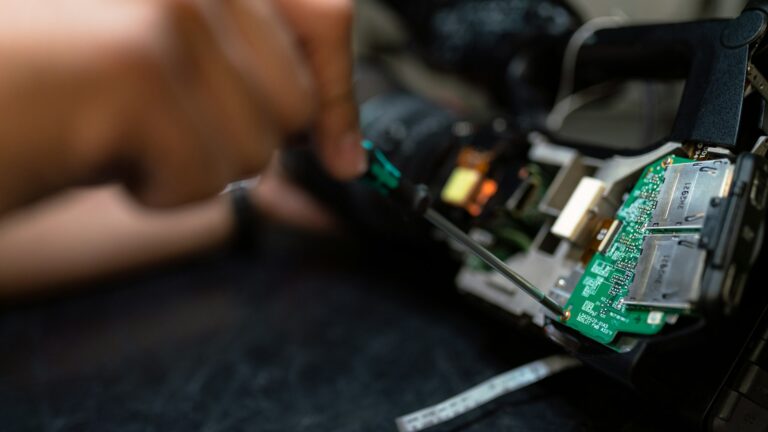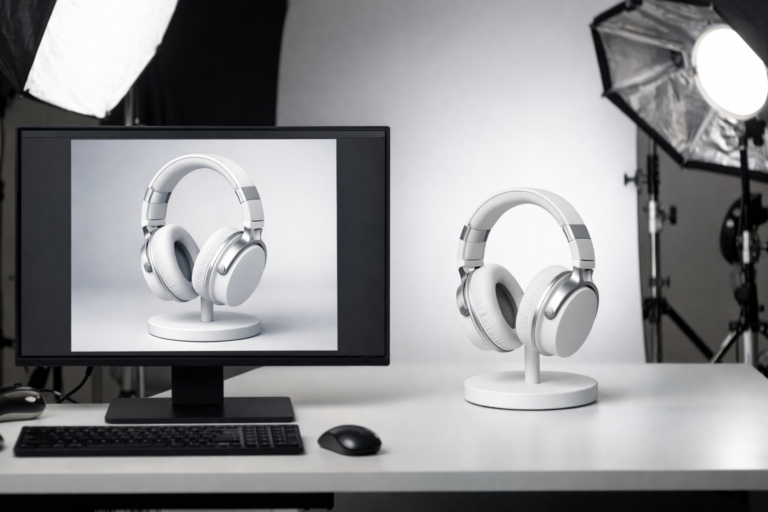
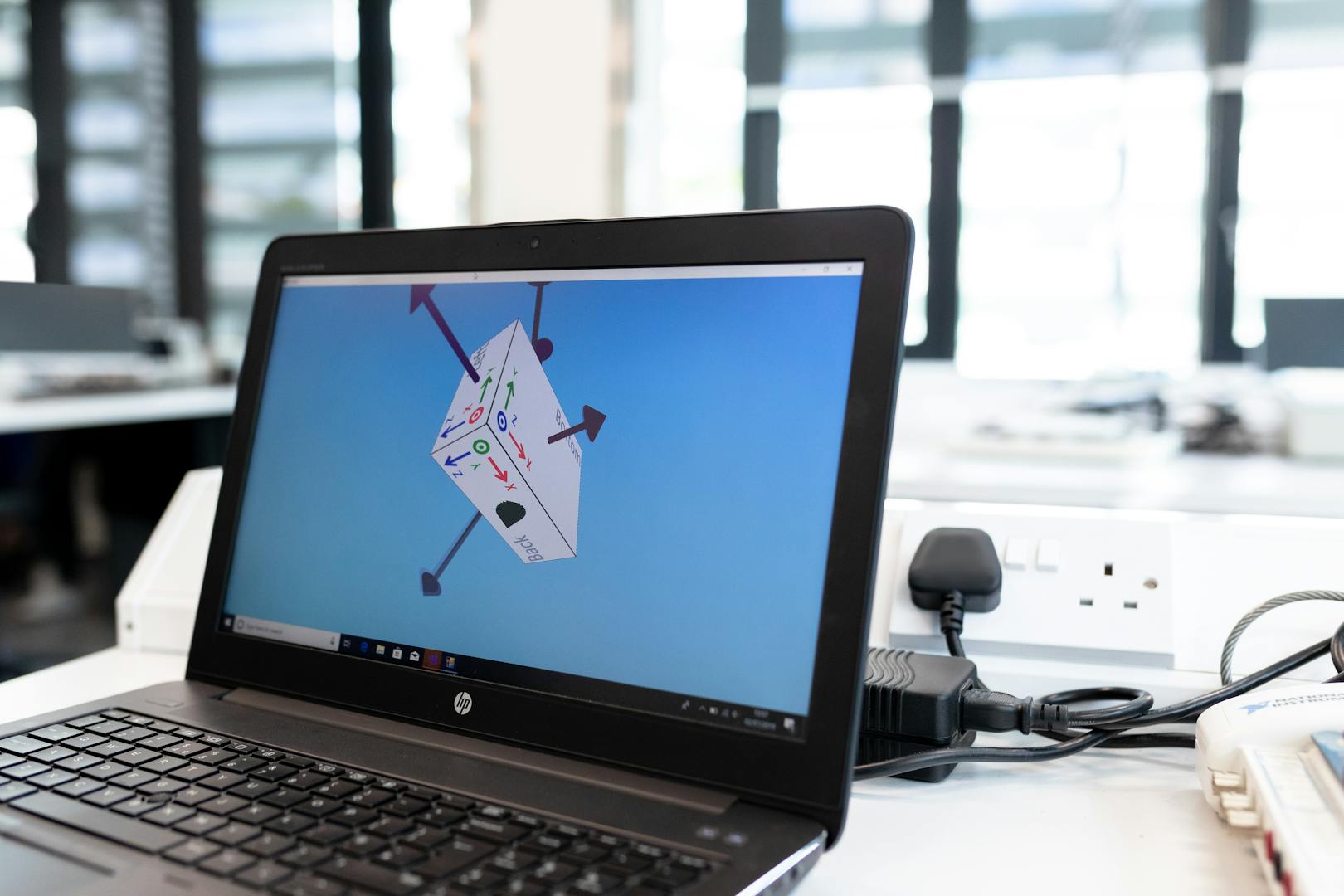
Every serious hardware startup faces the same critical make-or-break moment — the point where a promising concept must become a tangible physical object that prospective investors can hold, test, and believe in. Prototype design for startups is not about building a perfect product on the first attempt. It is about building the minimum viable physical artifact that validates your core hypothesis, exposes hidden design flaws before they become expensive manufacturing problems, and gives your fundraising pitch the tangible credibility that slide decks and renderings alone cannot provide. This guide covers the complete prototyping workflow optimized for early-stage companies operating with limited engineering budgets and aggressive timelines that do not allow for months of traditional product development.
Why Prototype Design for Startups Is Fundamentally Different
Established product companies can afford the traditional waterfall approach — six months of concept development, three months of detailed engineering, two months of tooling, then production. Startups operate under a different physics entirely. You have 3 to 12 months of runway, investors who need tangible progress at every board meeting, and a market window that closes while your competitors iterate faster. Startup prototype cad work must optimize for speed and learning velocity rather than production perfection. The goal of your first prototype is not to be manufacturable at scale — it is to answer specific questions about form, function, and market fit as quickly and cheaply as possible.
This means making deliberate trade-offs that traditional product designers resist. Using 3D printed PETG instead of injection-molded ABS because it prints overnight instead of requiring eight weeks of mold fabrication. Accepting visible layer lines on a functional prototype because surface finish is irrelevant when testing whether the mechanism actually works. Designing two-piece assemblies held together with screws instead of engineering elegant snap-fits because screws allow rapid disassembly for design modifications between test cycles. Every decision in startup prototyping should answer one question: does this get us to validated learning faster?
Our studio has worked with hardware startups at every stage — from pre-seed founders with napkin sketches to Series A companies optimizing production tooling. The pattern we see repeatedly is that startups who prototype early and iterate fast reach product-market fit in half the calendar time of startups who try to engineer a perfect version one before testing anything physically. Speed of learning, not perfection of execution, determines which hardware startups survive their runway period and reach revenue. The founders who understand this principle treat every prototype as a learning instrument rather than a deliverable, measuring success by the number of validated design decisions per week rather than the cosmetic quality of any single physical artifact.
Building an MVP Product Design That Validates Your Hypothesis
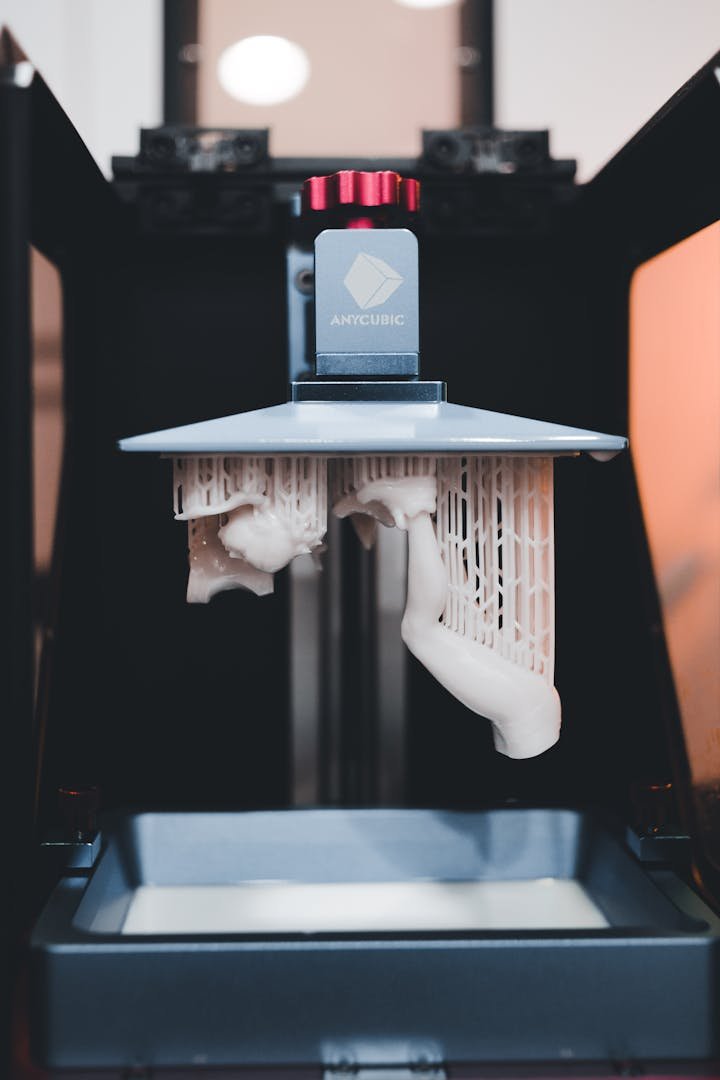
Your minimum viable prototype exists to test one to three critical hypotheses — not to demonstrate every feature your final product will include. If your product is a new kitchen tool, the MVP tests whether the core mechanism works reliably and whether users find the grip comfortable. It does not need a finished surface texture, a branded color scheme, or packaging inserts. If your product is an IoT sensor housing, the mvp product design tests whether the PCB fits, whether the ventilation strategy prevents overheating, and whether the mounting interface aligns with the target installation surface. It does not need IP67 waterproofing or a production-grade gasket seal on version one.
Scope discipline during the MVP phase is the hardest skill for first-time hardware founders to learn. The temptation to add “just one more feature” to the prototype is overwhelming — and every addition extends the timeline, increases the cost, and delays the learning that the prototype exists to generate. We help startup clients define a strict MVP scope document before modeling begins: a numbered list of hypotheses the prototype must test, the minimum geometry required to test each one, and explicit exclusions listing features that are deferred to revision two regardless of how important they seem.
This deliberate and disciplined scoping exercise typically reduces the ambitious first prototype from a complex 15-component assembly that takes two weeks to model down to a 3 to 5 component subset that delivers within 48 hours. The components excluded from version one are not forgotten — they are documented in the project file as planned additions for revision two, with preliminary sketches and interface dimensions roughed in so the upgrade path is clear. The result is a testable prototype in days rather than weeks, for hundreds rather than thousands of dollars.
Material Choices That Balance Cost, Speed, and Realism
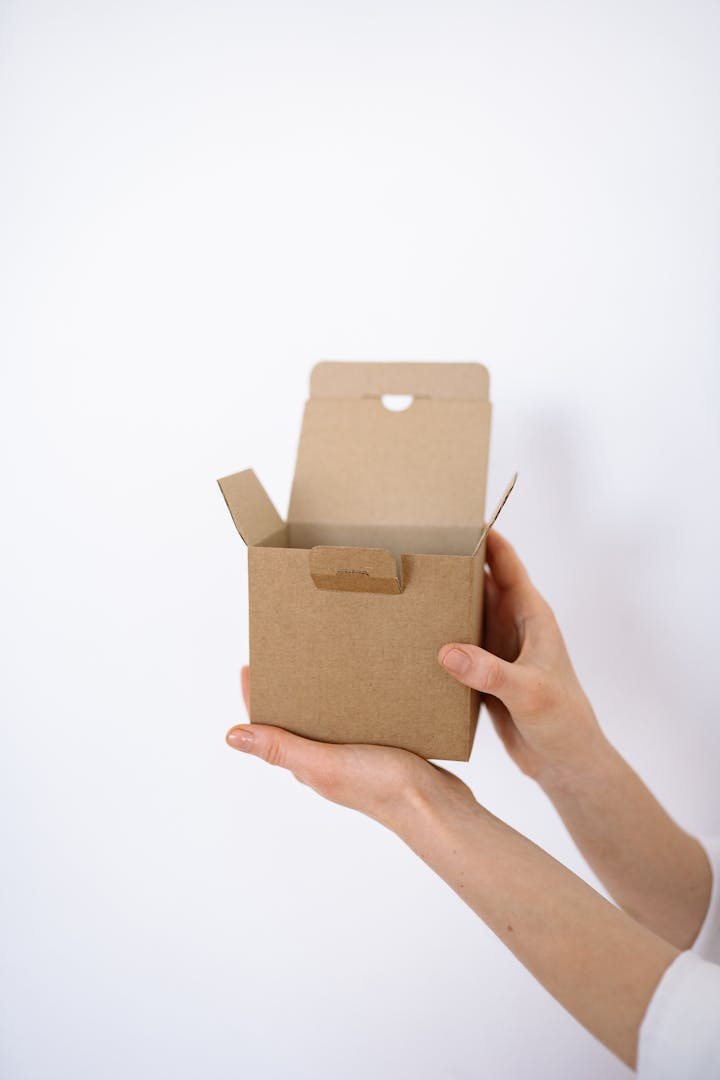
For functional startup prototypes where mechanical performance matters more than cosmetics, PETG is the optimal default material. It prints reliably without an enclosed chamber, handles temperatures up to 75 degrees Celsius, resists most household chemicals, and offers significantly better impact resistance than PLA. A PETG prototype costs $5 to $20 in material for most parts under 150 mm in any dimension, and prints in 4 to 12 hours on a standard FDM machine. The Simplify3D material guide provides detailed mechanical property data across all common filament types for reference.
For cosmetic startup prototypes destined for investor meetings, pitch competitions, or user testing sessions where first impressions matter, SLA resin printing delivers injection-mold-quality surface finishes at $15 to $50 per part. Resin prototypes can be sanded, primed, and painted to look indistinguishable from production parts in photographs and across conference room tables. The investment in cosmetic quality at this stage pays dividends in fundraising credibility — investors who can hold a polished prototype evaluate the opportunity differently than investors who see only rough 3D prints with visible layer lines.
For startup product modeling that requires production-equivalent material properties — fatigue testing, chemical compatibility validation, thermal cycling verification — CNC machined prototypes in the actual production material (aluminum, nylon, polycarbonate, acetal) provide data that no 3D printing process can replicate. CNC prototypes cost $100 to $500 per part with lead times of 5 to 10 business days, but they answer material-performance questions definitively rather than approximately. The Protolabs design tip library offers instant quoting for CNC prototypes across dozens of materials.
The Fast Iteration Cycle That Separates Winners from Losers
Successful hardware startups treat prototyping as a continuous loop, not a one-time event. The cycle runs: design, print, test, document learnings, modify, reprint. Each complete cycle should take 24 to 72 hours — short enough that you can complete 3 to 5 full iteration cycles in a single sprint rather than one cycle per month. This velocity advantage compounds rapidly. A startup that completes 15 design iterations in three months produces a fundamentally better product than a competitor that completes 3 iterations in the same period, because each iteration eliminates specific failure modes and incorporates specific user feedback that no amount of CAD-only analysis can predict.
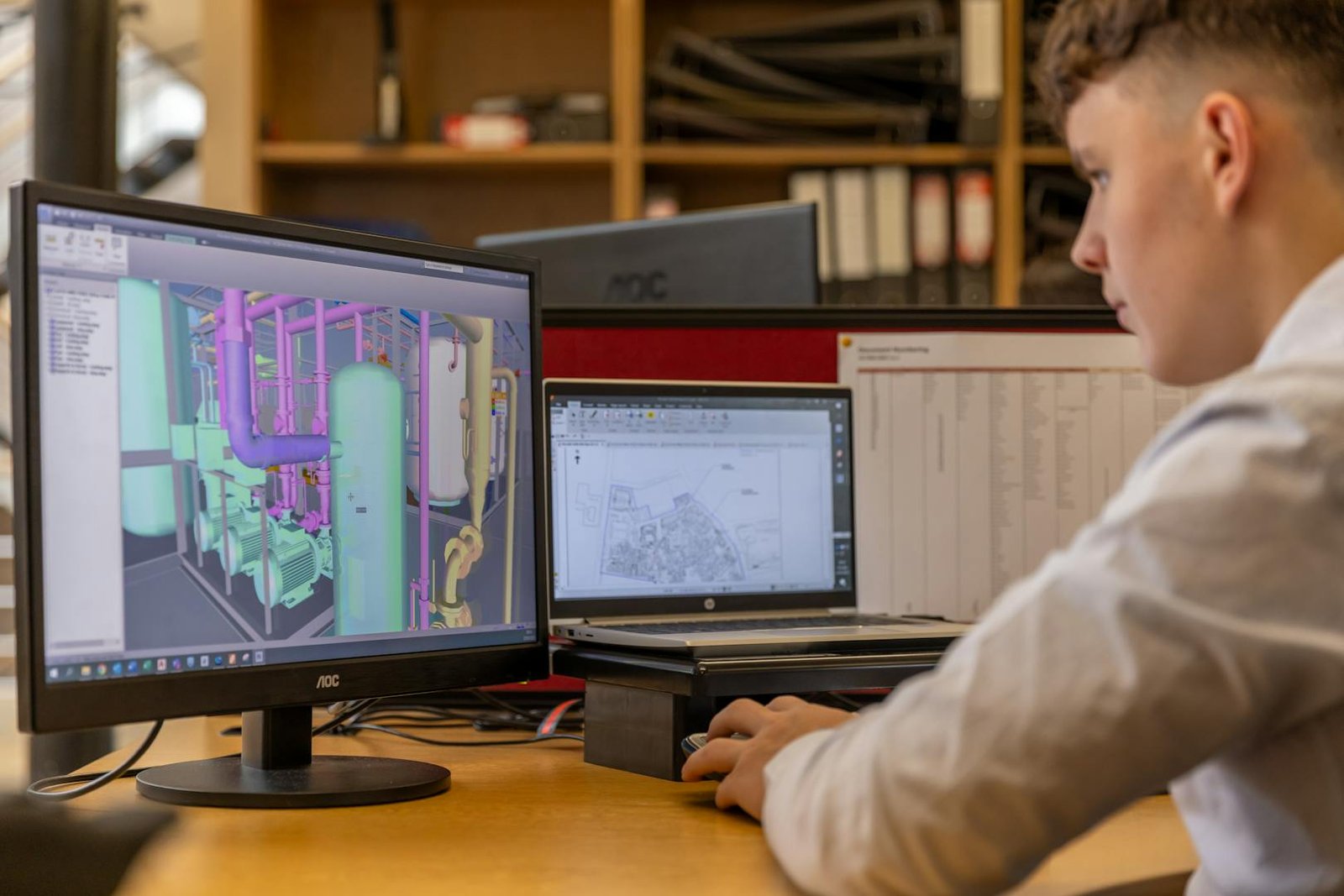
Parametric modeling in SolidWorks is essential for fast iteration. When a user test reveals that the handle diameter needs to increase from 28 mm to 32 mm, a parametric model updates in seconds — the fillets propagate, the grip texture pattern recalculates, the mating housing cavity adjusts automatically. A non-parametric model requires manual reconstruction of every dependent feature, turning a 30-second edit into a 2-hour rebuild. Over 15 iteration cycles, parametric modeling saves 30+ hours of engineering time that you reinvest in testing and refinement rather than model repair.
Our prototype design for startups workflow is built specifically for this iteration velocity. We deliver every model with named, organized feature trees that make modification intuitive. We include dimension tables listing the 5 to 10 most likely parameters a client will want to change between iterations. And we offer same-day revision turnaround for parametric changes that involve modifying existing dimensions rather than adding new geometry — because we understand that 48-hour revision delays destroy the iteration momentum that startup prototyping depends on for survival.
Managing Prototype Costs on a Startup Budget
Hardware startups typically allocate $2,000 to $10,000 for the entire prototyping phase of their product development — a budget that must cover CAD modeling, 3D printing or CNC machining, revision cycles, and sometimes basic functional testing. Stretching this budget effectively requires strategic decisions about where to invest in quality and where to accept minimum-viable execution.
Professional CAD modeling is worth the investment even on the tightest budgets because the cost of poor modeling compounds through every subsequent step. A $34 to $69 single-part design from our studio produces files that print correctly on the first attempt, accept modifications cleanly through parametric editing, and export to any manufacturing process when you are ready to scale. A free model built by the founder in Tinkercad or a first attempt at Fusion 360 typically requires 3 to 5 reprint cycles to resolve dimensional errors, tolerance miscalculations, and print-failure-causing geometry — consuming more filament, more time, and more frustration than the professional modeling fee would have cost.
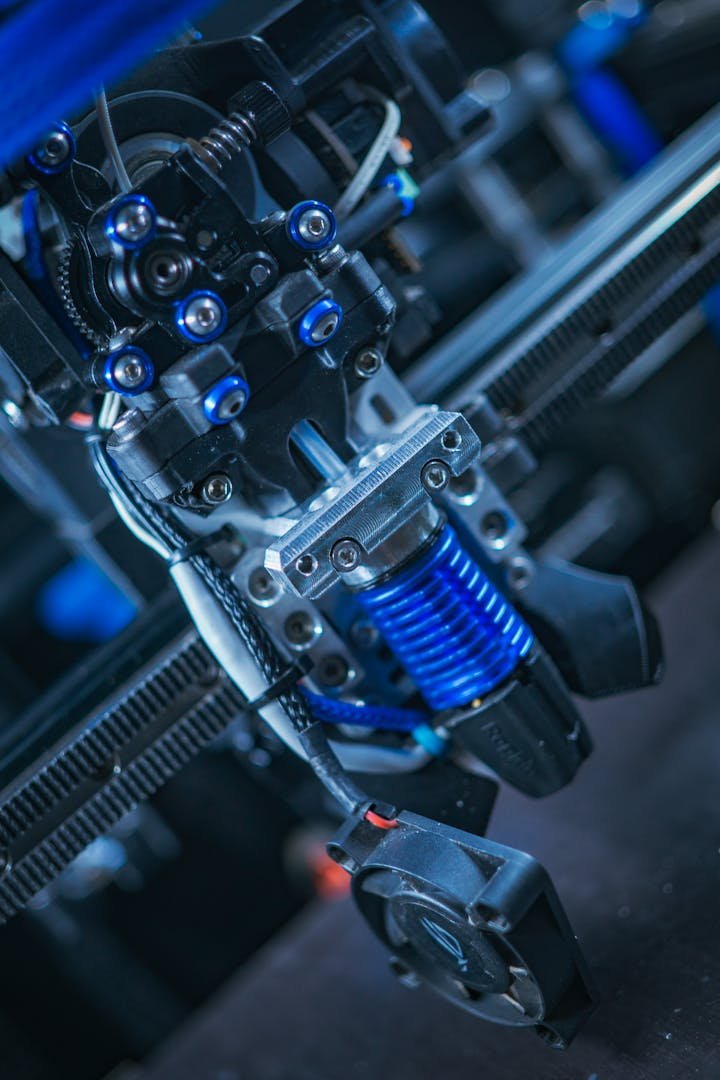
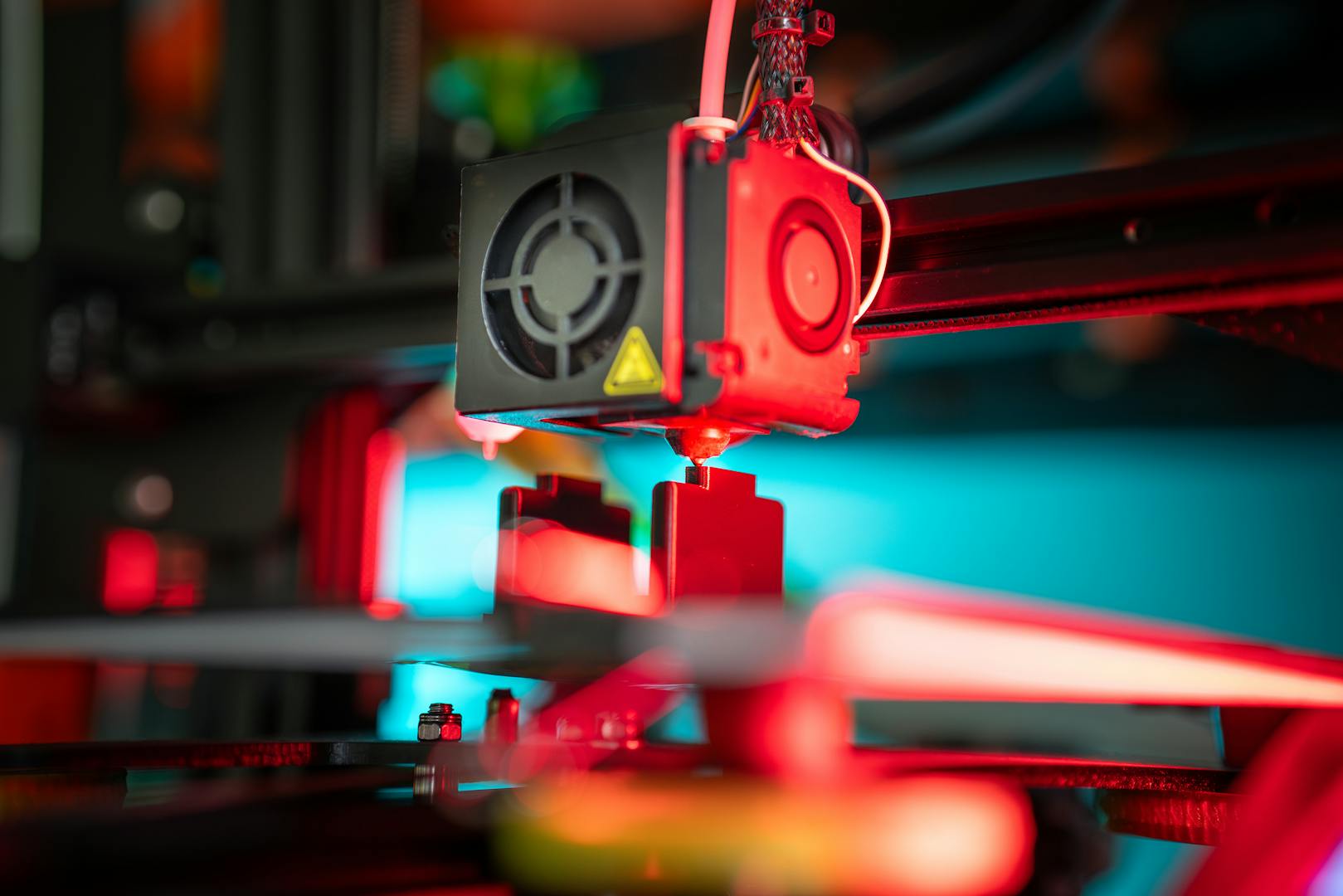
For early-stage prototype testing where material properties are not critical, consumer-grade FDM printers ($200 to $500) provide unlimited iteration capability once the initial hardware investment is made. Printing in-house eliminates per-part service bureau fees and reduces iteration cycle time from days (shipping included) to hours. We deliver every startup prototype file package with slicer-ready STL exports, printer-specific orientation recommendations, and suggested settings (layer height, infill percentage, support strategy) so founders can print confidently on their own machines without wasting material on failed prints caused by incorrect settings.
Investor-Ready Prototypes That Close Funding Rounds
Investor prototypes serve a fundamentally different purpose than functional test prototypes. An investor prototype must look production-ready, feel substantial in the hand, and demonstrate the core value proposition in under 60 seconds of hands-on interaction. Surface finish, color, weight, and tactile feedback all matter because investors evaluate hardware products with the same subconscious quality heuristics they apply to consumer purchases — a rough, lightweight, translucent prototype triggers “not ready” reactions regardless of how brilliantly the mechanism functions.
We recommend SLA resin printing for investor prototypes, followed by sanding (220 to 800 grit progression), automotive filler primer, and spray painting in the intended production color. This finishing workflow costs $30 to $80 in materials and 4 to 6 hours of labor, but produces a prototype that photographs identically to an injection-molded production part. For multi-component products, we specify paint color codes (Pantone or RAL) and surface finish designations (matte, satin, gloss) in the delivery documentation so the painted prototype matches the rendered marketing images that appear in your pitch deck and crowdfunding campaign page.
The most effective startup product modeling deliveries for fundraising include both a functional PETG prototype for live mechanism demonstration and a finished SLA prototype for visual impact and photography. The founder demonstrates the mechanism on the functional prototype (“watch — it clicks into place with one hand”), then hands the investor the finished prototype (“and this is what the production version looks and feels like”). This two-prototype strategy communicates both engineering substance and market readiness in a single meeting, directly addressing the two most common and most funding-fatal investor objections to early-stage hardware startups simultaneously.
Bridging from Prototype to Manufacturing
The transition from a successful prototype to volume manufacturing is where many hardware startups stumble — not because the product design is wrong, but because the prototype geometry was never designed with manufacturing constraints in mind. Injection molding requires draft angles, uniform wall thickness, and no undercuts. CNC machining requires tool access paths, minimum internal corner radii equal to the cutting tool radius, and reasonable depth-to-width ratios for pockets. Sheet metal fabrication requires bend radii proportional to material thickness, minimum hole-to-bend distances, and flat patterns that nest efficiently on standard sheet sizes.
Our prototype design for startups approach embeds manufacturing awareness from the earliest concept model. Even when the first prototype will be 3D printed, we apply draft angles to surfaces that will eventually be molded, maintain wall thickness uniformity that injection molding requires, and note features that will need design modification for the production process. This forward-looking approach means the prototype CAD model evolves into the production CAD model through dimension changes and feature refinements rather than a complete ground-up redesign — saving $1,000 to $5,000 in engineering cost and 2 to 6 weeks of calendar timeline at the exact moment when cash runway depletion rate and competitive market timing pressure are both at their peak. The startups that navigate this transition smoothly are invariably those whose prototype models were built with production awareness from the beginning — not those who treated prototyping as a throwaway phase disconnected from the manufacturing engineering that follows it at the exact moment when cash runway and market timing matter most.
The Xometry manufacturing resources provides instant manufacturability analysis and quoting for CNC, injection molding, sheet metal, and 3D printing — useful for validating that your prototype geometry is producible at scale before investing in production tooling. We recommend running your near-final prototype model through their DFM analysis as a free sanity check before committing to tooling purchase orders.
Intellectual Property Timing for Startup Prototypes
File a provisional patent application before sharing detailed CAD files with any manufacturer, service bureau, crowdfunding platform, or investor who is not covered by an NDA. A provisional filing with the USPTO patent filing guide costs approximately $320 for micro-entities (most pre-revenue startups qualify) and establishes a priority date that protects your concept for 12 months while you validate the product, secure funding, and prepare the full patent application. This is not a nice-to-have administrative task — it is an absolutely critical and time-sensitive business protection step that many first-time hardware founders delay until after their design has been shared widely enough that prior art challenges become a realistic risk.
Every early-stage prototype project at our studio includes automatic NDA coverage. Your sketches, CAD files, communications, and project metadata remain confidential without requiring a separate legal negotiation. We also advise clients on provisional patent timing relative to their product development and fundraising milestones — because the optimal filing date depends on the specific competitive dynamics of your product category and the disclosure timeline of your go-to-market strategy. Filing before any public disclosure — including social media posts, trade show appearances, and crowdfunding campaign launches — preserves your ability to pursue international patent protection in countries that apply absolute novelty standards with no grace period for prior public disclosure by the inventor.
Explore real examples of this work in our portfolio — see our custom nozzle diffuser manifold design and custom brackets and mounts in SolidWorks projects. Need professional engineering support? Our product rendering service and outsource CAD design service deliver production-ready files in 24 hours.
Start Your Startup Prototype Today
The difference between hardware startups that reach product-market fit and those that run out of runway before shipping is almost always iteration speed — how quickly you can move from concept to physical test, learn from the test results, and feed those learnings back into the next design revision. With 7,000+ projects delivered across 40+ countries, a 4.9-star rating from 4,470+ verified reviews, documented 24-hour delivery capability on most single-part designs, and structured revision workflows optimized for startup iteration velocity, our dedicated engineering team at minicad.io is built for the iteration velocity that startup survival demands. Get a free quote, upload your sketch, and hold version one of your physical product prototype in your hands this week.