A quality 3d printing design service combines parametric CAD proficiency with hands-on printing knowledge. Not every CAD designer understands 3D printing. You can hire someone with excellent SolidWorks modeling skills who still delivers files with unsupported 80-degree overhangs, walls thinner than two nozzle widths, and tolerance assumptions based on CNC machining rather than fused filament deposition. A true 3d printing design service combines parametric CAD proficiency with hands-on printing knowledge — understanding layer adhesion physics, material-specific shrinkage rates, support structure trade-offs, and the real-world constraints of FDM, SLA, and SLS machines. This guide helps you evaluate providers honestly and choose one that delivers files your printer can actually produce without rework.
What Makes a 3D Printing Design Service Different from General CAD
A standard CAD modeling service designs for geometry — producing a mathematically correct 3D shape that represents your intended part. A 3d printing cad service designs for geometry plus the specific manufacturing process that will produce the physical part. That means every fillet radius in the model considers the layer height of the target printer. Every wall thickness is calculated as a multiple of the nozzle width to eliminate infill gaps. Every overhang angle stays within the material’s self-supporting capability for the specified layer height and print speed. Every tolerance accounts for the dimensional accuracy range of the target hardware — which varies dramatically between a $200 hobbyist Ender 3 and a $50,000 industrial Markforged system.
The practical difference between these two approaches shows up at the print bed, not on screen. Parts designed by someone who understands printing succeed on the first attempt — they adhere to the bed properly, bridge without sagging, maintain dimensional accuracy through cooling, and produce mating surfaces that fit together as intended. Parts from a designer who lacks printing experience require support modifications the client must figure out alone, orientation changes that alter mechanical properties, and sometimes complete geometry redesigns when features that looked fine in SolidWorks prove physically impossible to print. All of that rework costs time and money that the client should never have to spend if the design was done right initially.
Types of 3D Printing Design Services Available
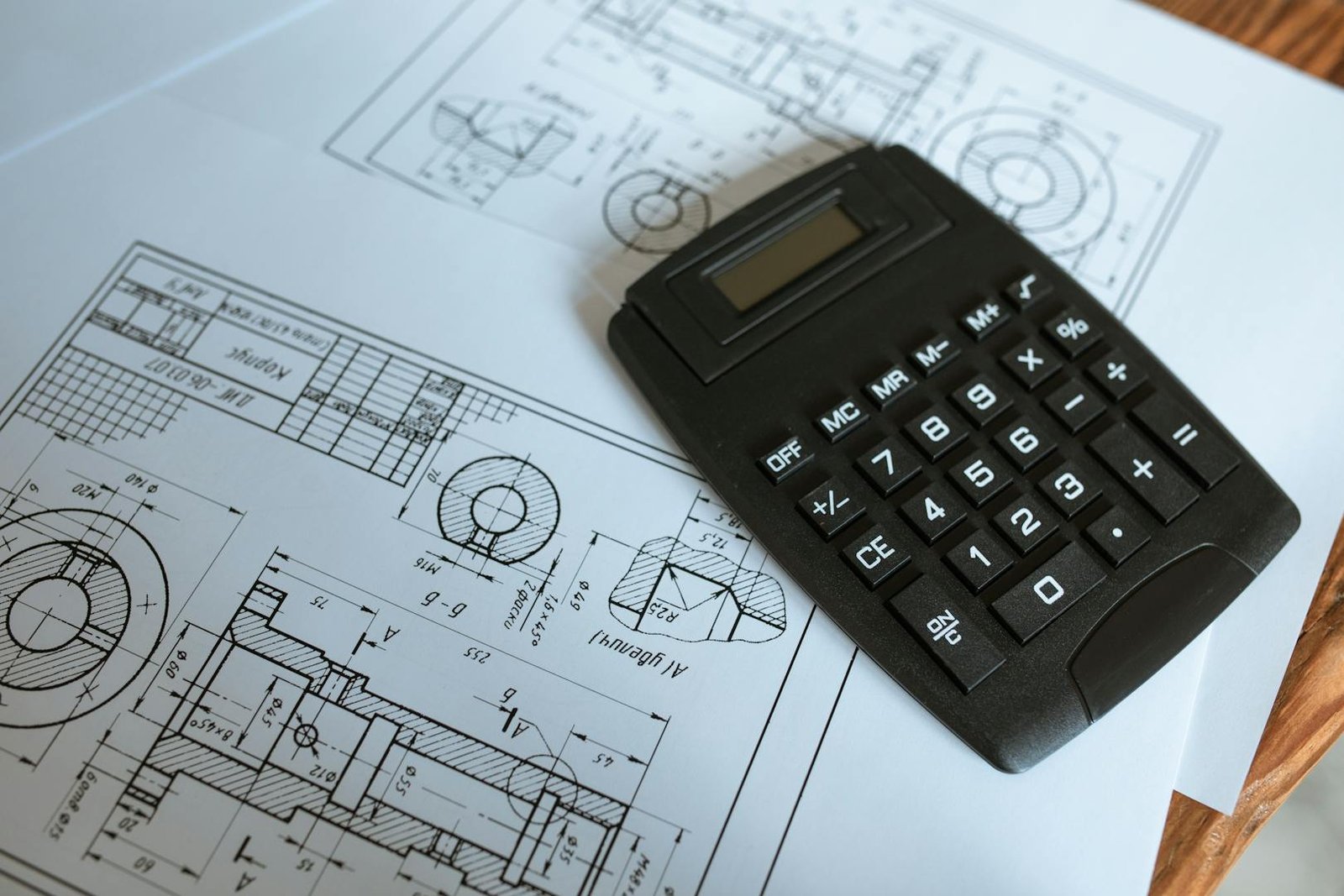
The market splits into four distinct tiers based on price, quality, and service depth. First, community download sites like Thingiverse, Printables, and Cults3D offer free or low-cost pre-made STL files — useful for generic replacement parts and hobby projects but completely useless for custom dimensions, specific tolerance requirements, or unique geometries. Second, budget freelancers on platforms like Fiverr and Upwork charge $10 to $30 per part with highly variable quality — some are excellent, many lack printing experience, and vetting requires checking completed project history carefully.
Third, professional design studios like ours charge $34 to $174 or more per part and deliver print-validated files with full native CAD sources, orientation notes, and material-specific recommendations. Fourth, full-service engineering consulting firms charge $100 to $300 per hour and handle complex regulated products requiring documentation trails, validation testing, and compliance certification. For most product inventors, Amazon FBA sellers, and hardware startups, a professional 3d printing design studio hits the sweet spot — affordable enough for prototyping budgets, skilled enough for production-quality output, and fast enough to meet aggressive launch timelines.
How to Evaluate a Provider’s Actual Printing Knowledge
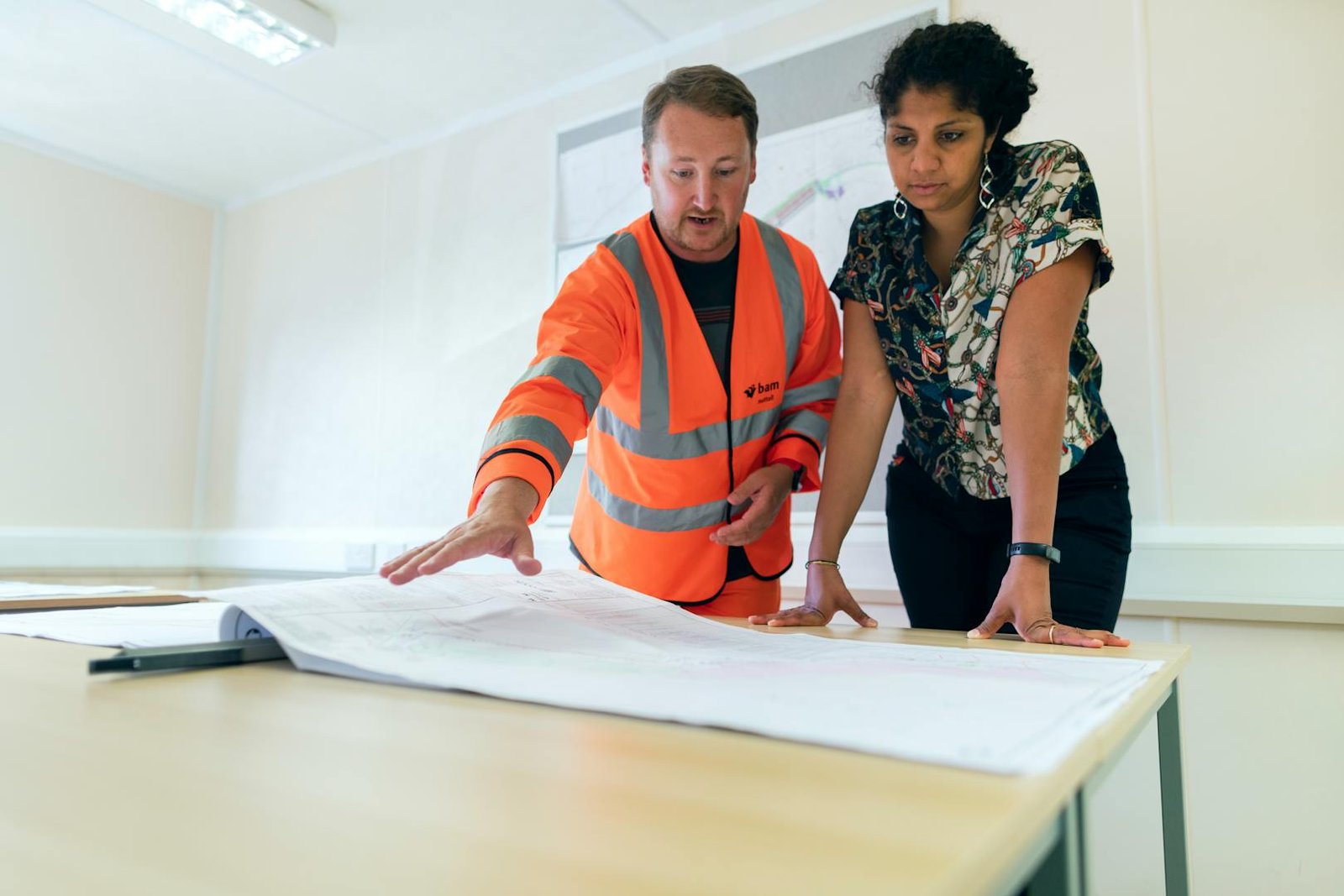
Ask three diagnostic questions that immediately separate providers who actually print from those who only model. First question: what minimum wall thickness do you recommend for FDM parts in PETG? The correct answer is 1.2 to 1.6 mm, which corresponds to three to four complete perimeter passes at a standard 0.4 mm nozzle diameter. If they answer “whatever looks good on screen” or “depends on what you want,” they do not understand FDM mechanics. Second question: how do you handle overhangs that exceed 45 degrees? A knowledgeable designer discusses specific strategies — adding chamfers to transition between angles, splitting geometry into support-free orientations, designing breakaway support tabs into the model itself, or specifying orientation to minimize support contact on visible surfaces.
Third question: what STL export settings do you use, and why? A professional should specify chord deviation and angle tolerance values by name, explain how they choose values based on the target printer resolution, and distinguish between settings appropriate for FDM versus SLA output. If the answer is “I just click Save As STL,” the designer treats export as an afterthought rather than a calibrated engineering step. At our studio, every SolidWorks engineer has direct daily access to FDM and SLA printers for test prints, fit checks, and dimensional verification. We do not guess whether a design prints cleanly — we physically verify it when the project scope warrants a test print.
Material-Specific Design Considerations
PLA is the easiest material to design for — low shrinkage (0.3 to 0.4 percent), excellent bridging up to 50 mm, minimal warping even on large flat parts, and good cosmetic surface quality straight off the printer. But PLA softens at just 55 degrees Celsius, which rules it out for any application involving heat exposure — dashboard mounts, near-engine components, outdoor enclosures in direct sun, and anything that sits near cooking surfaces or heated equipment.
ABS handles higher continuous operating temperatures up to 95 degrees Celsius but warps aggressively during printing without a fully enclosed, heated build chamber. Design implications are significant: ABS parts need wide, flat bases for bed adhesion, minimal tall thin features that act as cooling-induced stress risers, and generous fillet radii at every corner transition to distribute thermal contraction forces. PETG sits between PLA and ABS in nearly every property — moderate heat resistance (around 75 degrees Celsius), moderate warping tendency, and moderate bridging capability — making it the most versatile and forgiving material choice for functional prototypes. The Simplify3D material guide provides detailed property comparisons across all common filament types.
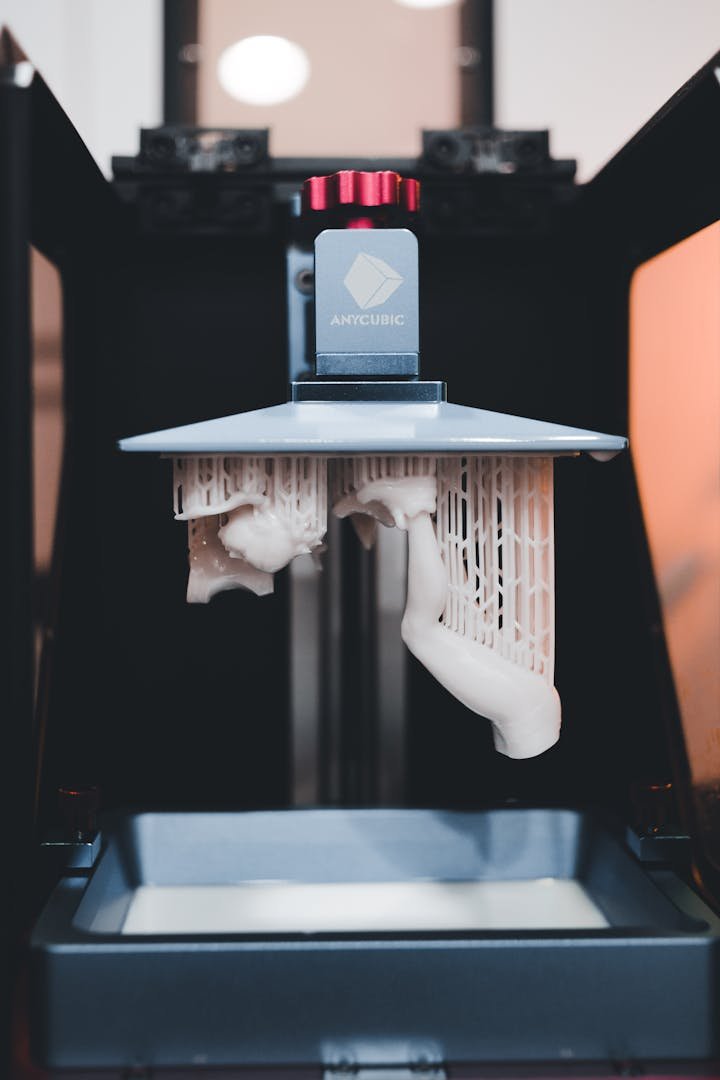
Resin printing (SLA and MSLA) allows much finer geometric detail — 0.5 mm walls, 0.3 mm embossed text, and surface finishes that rival injection molding right off the build plate. But resin introduces entirely different design constraints compared to FDM. Suction cups form on flat downward-facing surfaces during the peel step, generating forces that crack thin walls or detach the part from the build plate mid-print. Drainage holes are mandatory for any hollow section to prevent uncured resin from being trapped inside the finished part. Support contact points leave small witness marks on the surface that require post-processing with sanding or filling. A design service for 3d printing must tailor every geometric decision to the specific material and process, not blindly apply generic rules.
Nylon produced through selective laser sintering (SLS) requires no support structures at all because the surrounding powder bed provides complete self-support during the build. This geometric freedom enables designs that are impossible on any other consumer-accessible 3D printing process — interlocking chain links printed as a single assembly, internal lattice structures for weight reduction, complex fluid channels with smooth internal surfaces, and living hinges that flex thousands of cycles without cracking. However, nylon is hygroscopic (it absorbs atmospheric moisture, changing dimensions over time), dimensionally less precise than well-calibrated FDM, and requires extensive post-processing to remove residual sintering powder from internal cavities and surface textures.
Deliverables Checklist — What You Should Receive
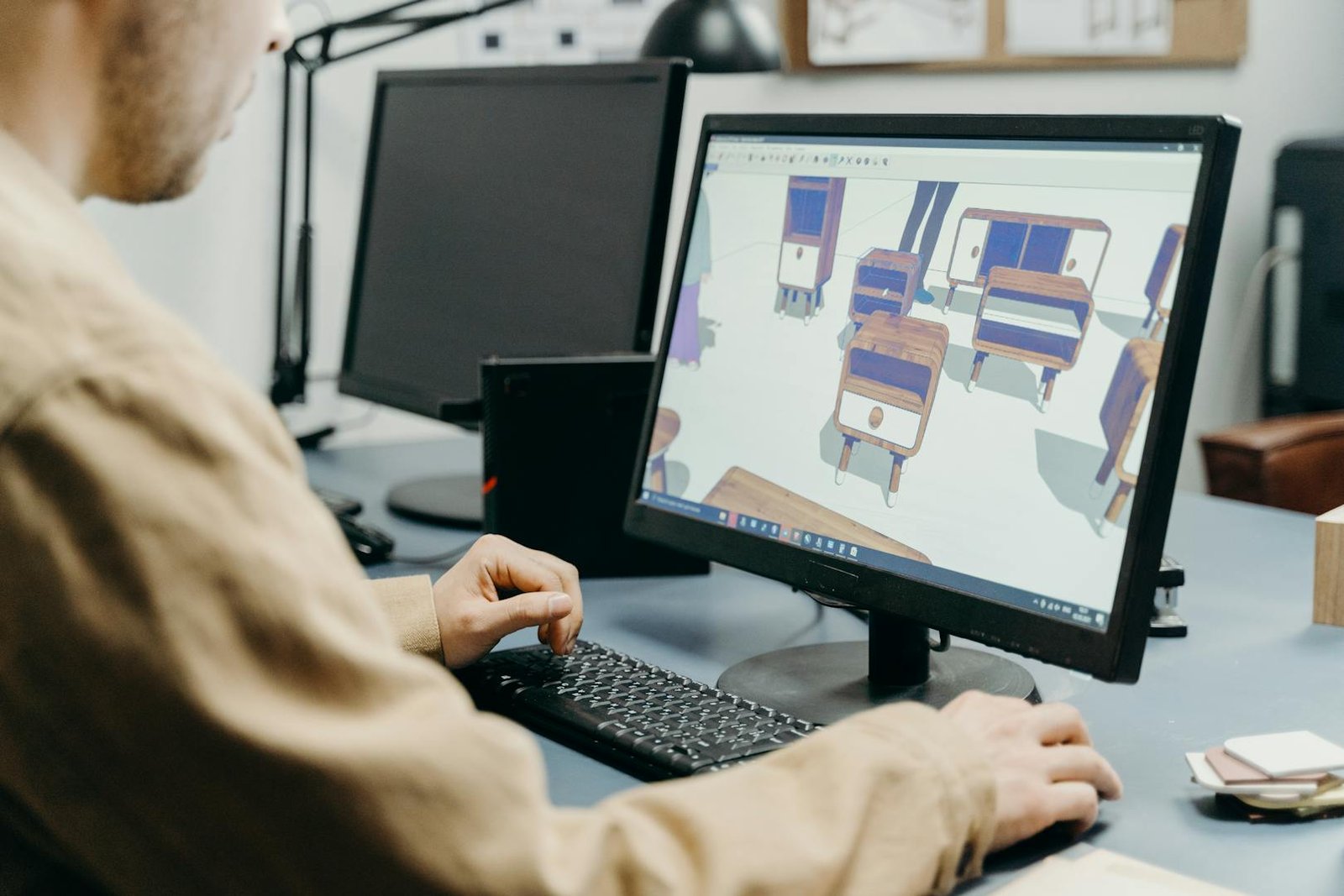
A complete delivery from a professional 3d printing design service should include every item on this checklist: native parametric CAD files in SLDPRT format for parts and SLDASM format for assemblies, STEP files for vendor-neutral compatibility with any manufacturer’s CAD system, STL files exported at specified mesh resolution with documented chord deviation and angle tolerance values, recommended print orientation with written engineering rationale explaining why that specific orientation was chosen, suggested print settings covering layer height, infill percentage, perimeter count, and material grade, and 2D technical drawings with critical dimensions annotated for post-print quality inspection and verification.
If you receive only an STL file with no source CAD, no orientation guidance, no material recommendation, and no print parameter suggestions, you are paying for a file — not a service. The engineering value of professional 3d print design help lies in the informed judgment embedded throughout the deliverable package, not just the raw triangle geometry of the mesh itself. Any competent modeler can produce an STL. Producing an STL that prints correctly, fits accurately, and meets functional requirements under real-world loads requires process-specific knowledge that takes years of combined CAD and printing experience to develop.
The Pricing Landscape for 3D Print Design in 2026
Single-part designs for 3D printing range from $34 for simple geometry like brackets, mounts, spacers, and adapter plates to $174 or higher for complex parts involving organic sculpted surfaces, internal fluid channels, multi-material interfaces, or lattice infill structures. Multi-part assemblies scale approximately linearly with component count — a five-part assembly at moderate complexity typically costs $200 to $400 when all parts are designed together with proper mating tolerances and assembly documentation included.
Rush delivery under 12 hours adds a 25 to 50 percent premium at most professional studios, reflecting the schedule disruption and priority reallocation required to meet compressed timelines. Per-hour billing for 3d printing cad service work ranges from $25 to $75 for experienced engineers, with US-based providers at the high end and equally skilled international providers operating at $25 to $40 per hour with comparable output quality and communication fluency.
For ongoing relationships — product companies, hardware startups, and Amazon FBA sellers who need weekly or monthly design support — monthly retainer agreements at 10 to 20 percent below standard project rates provide budget predictability, priority scheduling, and a dedicated engineer who accumulates deep knowledge of your product line, manufacturing partners, and design preferences over time.
Turnaround Reality — What Delivery Promises Actually Mean
A 24-hour turnaround on a single part means you submit your sketch, description, or reference files, the assigned engineer reviews your materials within 2 hours, asks any necessary clarification questions, and delivers completed files within 24 hours of the design brief being finalized and approved by both parties. It does not mean 24 hours from the moment you send an ambiguous napkin sketch with missing dimensions and no material specification — that scenario requires a back-and-forth clarification exchange that adds time before the modeling clock starts.
Complex multi-component assemblies cannot be responsibly completed in 24 hours regardless of team size. Anyone promising a 10-component assembly with motion verification and tolerance analysis overnight is either planning to cut critical quality steps, assigning multiple uncoordinated designers who will produce incompatible files, or simply lying about their delivery capability to win the project. At our studio, we set transparent, honest timelines from the initial quote: single parts in 24 hours, assemblies in 3 to 5 business days, full product development packages in 2 to 4 weeks. Accurate timeline communication prevents the most common and most damaging source of client dissatisfaction in the entire CAD services industry.
The Revision Process That Actually Works
Two to three revision rounds should be included in the base project price at any reputable 3d printing design service. Each round addresses all accumulated feedback points in a single comprehensive design pass — not one isolated fix per email message. The revision process works most efficiently when clients provide structured, specific feedback: annotated screenshots with clear markups identifying exactly which features need modification, specific numerical dimension changes rather than subjective descriptions like “make it bigger,” and definitive yes or no decisions on design options that were presented as alternatives during the initial delivery.
Vague feedback like “make it look better” or “I do not like the shape” without specifics wastes both parties’ time and burns through revision rounds without making measurable progress toward the final design. Our intake process at minicad.io includes a structured feedback template that clients fill out for each revision — checkboxes for what needs changing, annotation fields for specific areas, and input fields for new measurements or requirements. This structured approach consistently reduces total revision count from the typical three or four rounds down to one or two, saving calendar time and accelerating the path to a final approved design.
Red Flags That Signal a Problematic Provider
No questions during the design phase is the single biggest warning sign. If a designer accepts your project brief and returns completed files three or five days later without asking a single clarifying question about dimensions, material, manufacturing process, mating components, or functional requirements, they made assumptions about every ambiguous element in your brief. Those assumptions rarely match your actual intent, and discovering the mismatches during assembly or manufacturing testing wastes far more time and money than the clarification emails would have cost upfront.
Additional red flags include: no native CAD files included in the delivery (STL only), no mention of print orientation or material suitability in any delivery documentation, a portfolio consisting entirely of photorealistic renders with zero photographs of actually printed physical parts, quoted prices below $15 for custom design work (at that rate, quality is mathematically impossible to sustain), and unwillingness to sign a basic non-disclosure agreement protecting your design intellectual property. Your product concepts deserve contractual confidentiality protection, and any legitimate professional 3d printing design service will execute an NDA without hesitation or pushback.
Intellectual Property Protection and Confidentiality
Your product design is valuable intellectual property that deserves contractual protection throughout the design process. Before sharing detailed sketches, dimensions, or functional descriptions with any 3d printing design service, ensure the provider will sign a mutual non-disclosure agreement covering all project materials, communications, and deliverables. An NDA should specify that the designer cannot reuse your geometry for other clients, cannot publish images of your project in their portfolio without written consent, and cannot retain copies of your files after the project concludes and final payment clears.
Our studio executes NDAs as standard practice for every project — no client should have to ask for basic IP protection, and no legitimate design service should hesitate to provide it. We also recommend that inventors file a provisional patent application with the USPTO before sharing detailed design files with any external party, including your CAD designer. A provisional filing costs approximately $320 for micro-entities and establishes a priority date that protects your concept during the 12-month window before a full patent application is required.
Explore real examples of this work in our portfolio — see our custom PCB enclosure project box and multi-color 3D printed NFC coin projects. Need professional engineering support? Our technical drawing service and product rendering service deliver production-ready files in 24 hours.
Start Your Project with Verified Printing Experts
Choosing the right 3d printing design service is a direct investment in your product’s manufacturing success — at the print bed and in every production step that follows. Files designed correctly for the target process and material print right on the first attempt, saving filament, saving hours of failed print monitoring, and getting your validated prototype or production part to market faster than competitors still iterating on revision four. With 7,000 or more projects delivered across 40 countries, a 4.9-star rating from 4,470 verified reviews, and documented 24-hour delivery on single-part jobs, our studio at minicad.io delivers the professional results that serious product developers require. Upload your sketch or reference files, describe your project requirements in detail, and get a free quote within hours — not days or weeks.